Knit for the Microclimate: A Wardrobe That Survives British Winter Whiplash
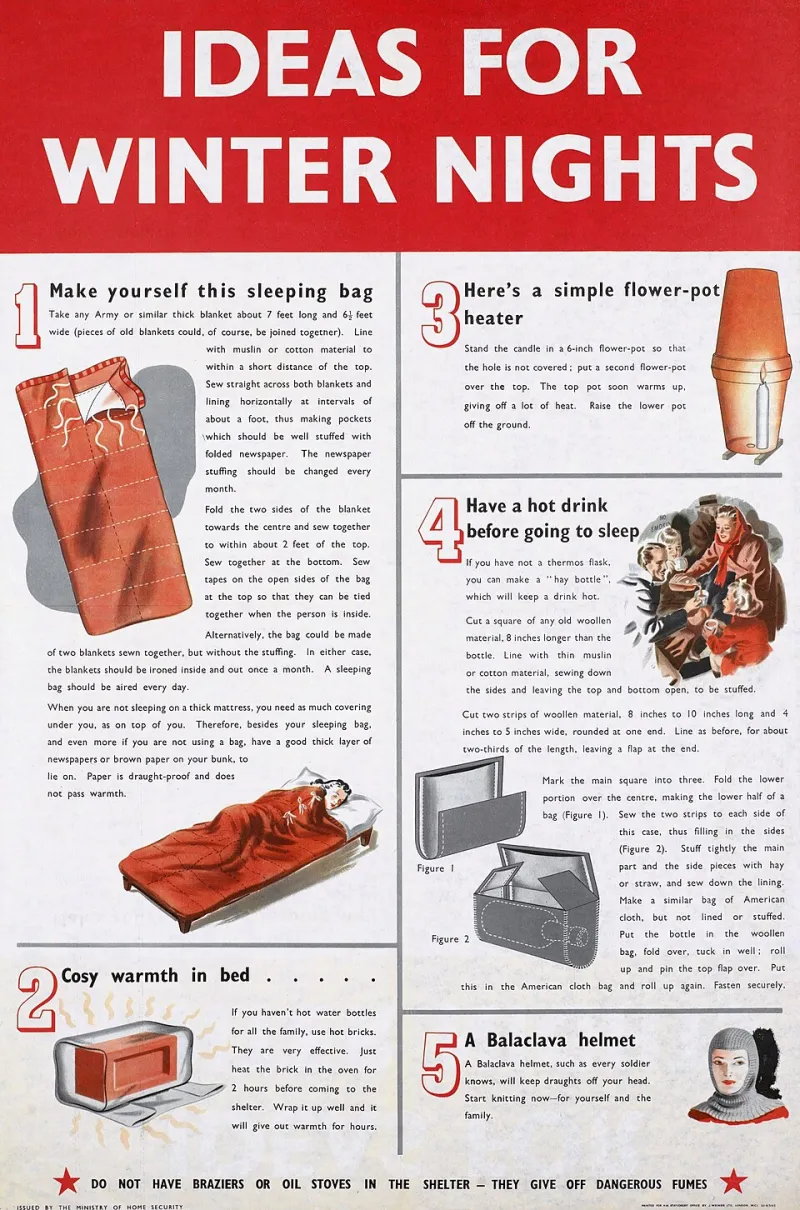
Photo: Unknown (artist), J Weiner Ltd, 71/5 New Oxford Street, London WC1 (printer), Her Majesty's Stationery Office (publisher/sponsor), Ministry of Home Security (publisher/sponsor), Public domain, via Wikimedia Commons
British winter does not arrive so much as lurch. Tuesday is a frozen bus shelter and a scarf pulled up to your eyes. Wednesday is a mild drizzle and a cardigan you regret by noon. Thursday is a radiator you cannot switch off and a window you cannot quite close. Knitting for this sort of weather is less about one heroic jumper and more about a small, flexible wardrobe that can be shed, added and stuffed into a bag without drama.
Start with the layer that lives closest
The most useful thing I have knitted for a British winter is not a chunky cable jumper. It is a fine sleeveless vest in 4-ply wool, worn under a shirt. It sounds deeply unglamorous, and it is, but it works. A close-fitting layer in merino, Bluefaced Leicester or a wool-silk blend adds warmth without bulk, and it can be removed in a overheated meeting room without leaving you in your shirtsleeves and regrets.
Aim for something with a little negative ease if it is a base layer, but not so tight that it fights you. Thin yarn, simple shaping, tidy edges. If you run hot on public transport but cold at your desk, this is the knit that earns its keep. It is also a brilliant use for a single skein you bought because the colour made you happy.
Choose yarns that can take a joke
British winter is not one temperature, so yarn choice needs range. A pure, bouncy wool is brilliant for cold snaps and brisk walks, but it can feel like too much in a warm kitchen. Alpaca is lovely and soft, though a whole garment in it can be a bit like wearing a hug that will not loosen its grip. Cotton is cool but can sag; acrylic is easy but can get clammy. Blends are your friend here.
For layering pieces, I look for wool blended with a little silk, alpaca or even a touch of nylon for hard-wearing socks. British wool is a sensible starting point for everyday warmth, and a lighter lambswool or Shetland-style yarn can handle the changeable days better than a heavy Aran. The ball band is not a law, but it is a useful hint. Swatch, wear the swatch for an hour indoors, and see how it behaves before committing to a whole garment.
Let the stitch pattern breathe
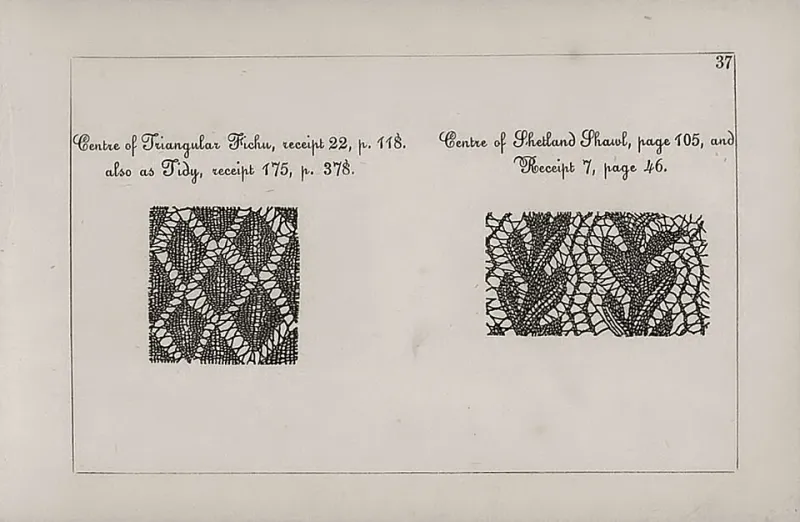
Dense stitches have their place, but not every inch of every garment needs to be a weatherproof slab. Ribbing is the obvious hero: it stretches, it traps warmth, and it looks tidy at cuffs and hems. Openwork, drop-stitch patterns and simple lace are not just for summer. A panel of airy stitching down the side of a jumper or across the back of a cowl lets heat escape when you are indoors and gives you a bit of visual interest when you are not.
A good compromise is texture where you need it and plain fabric where you do not. Put the cables on the sleeves or a front panel, not over the entire body. Use garter stitch for squishy scarves and hats because it is forgiving and warm without feeling airtight. If you are knitting for someone who runs hot, choose a looser gauge and a more open fabric; if they feel the cold, go denser and add a removable layer on top.
Build a removable kit
This is where the British winter really rewards a bit of planning. A cowl is a thermostat you can pull over your chin on the walk to the shops and push down again when you get inside. Wrist warmers are brilliant for typing, knitting and generally living in a house where the heating is on a timetable you do not control. A lightweight scarf in a silk-blend or fine wool can go in a bag and come out when the wind picks up.
Hats are obvious, but do not overlook bed socks and house socks. A pair of 4-ply socks in a tight gauge is a small luxury on a cold floor, and they take up far less space in a drawer than another jumper. Fingerless gloves are another quiet winner: warm enough for a chilly platform, practical enough for a phone screen or a steering wheel.
The pieces that actually earn their keep
If I were building a winter wardrobe from scratch, I would start with a fine vest, a generous cowl, a pair of wrist warmers, a simple tank top and a loose cardigan. The tank top is the most British layering move there is: over a shirt, under a jacket, with jeans or a skirt, and easy to remove when the radiator wins. A cropped cardigan with deep ribbing does similar work and looks less like you are about to go rambling.
Then add a hat, a pair of socks and a scarf. That is not a capsule wardrobe in the glossy magazine sense. It is a kit. It lives by the door, in a basket, or in the bottom of a bag, and it changes with the weather rather than the date.
Knit for the day, not the calendar
The forecast will continue to be a soap opera. Your knitting does not have to be. Favour small pieces, breathable fibres and layers that can be removed without dismantling your entire outfit. Leave a little positive ease in garments meant to go over something else. Choose stitches that let off steam. And do not feel you have to knit a whole winter coat just because the calendar says December. The weather cannot make up its mind. Your knitting can.