Cedar Balls Won't Save You: A Level-Headed Guide to Moth-Proofing Your Knits
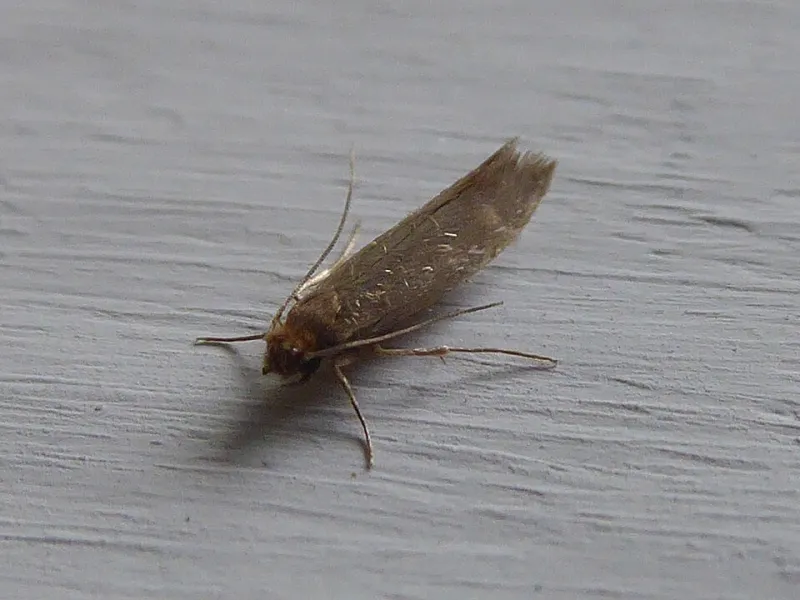
Photo: Syrio, CC BY-SA 4.0, via Wikimedia Commons
Every autumn, someone in the family group chat posts a photo of a jumper with a hole in it and types the word moths. Within twenty minutes, someone else has ordered cedar balls, lavender sachets and a scented drawer liner, and a quiet sense of dread has settled over the whole conversation. It is a very British response to a very small insect.
Here is the thing, though: most of what we buy in a panic does very little, and most of what actually works is free, dull and takes about forty minutes a year. So let's take the drama out of it.
First, a quick word about the enemy
The culprits in UK homes are almost always clothes moths, not the pantry moths you find in a bag of flour. The two you will meet are the webbing clothes moth and the case-bearing clothes moth, and it is not the fluttery adults you need to worry about. It is the larvae. They eat keratin, which means wool, cashmere, silk, mohair, fur and feathers — and they are particularly fond of the places your knitwear is warm, dark and slightly salty: underarms, collars, cuffs and the folds of anything worn next to the skin.
That is the first genuinely useful fact. Moths are not attracted to your beautiful jumper so much as to the sweat, skin cells and food traces left on it. A clean woolly in a clean drawer is a much less appealing proposition than a worn one that has been sitting in a heap since March.
The signs, without the panic
Have a proper look before you assume the worst. Irregular holes are the obvious one, but check for fine silken webbing in the folds, small gritty tubes about the size of a grain of rice, or a dusty residue. Larvae themselves are pale and grub-like and tend to tuck themselves into seams and under collars rather than posing on the front of the garment.
One hole is not an infestation. Ten holes across three jumpers, plus webbing in the drawer, probably is. Either way, the response is the same, and it is not a trip to the shops for more scent.
What actually works
Wash it properly
Before anything goes into storage, it should be clean. Follow the care label — usually a wool cycle at 30 degrees or a gentle hand wash — and dry it flat and thoroughly. Dry cleaning also kills eggs and larvae and is worth it for structured pieces or anything you cannot wash. This single step, done consistently, prevents more moth damage than every cedar product on the high street combined.
Freeze it, twice
If you suspect a piece has been exposed, or you have brought something home from a charity shop or a car boot sale, the freezer is your friend. Seal the item in a bag, squeeze the air out, and leave it at minus 18 degrees for at least 72 hours. Then let it come back to room temperature still sealed, and repeat the cycle. The double freeze catches eggs that survived the first round. Do not skip the bag, or you will end up with a damp jumper and a condensation problem in the freezer drawer.
Store it sealed
This is the part people skip, and it is the one that matters most. Clean, frozen, thoroughly dry knitwear goes into something sealed: a lidded plastic box with a gasket, a proper zip storage bag, or a vacuum bag for the bulky winter stuff. Not a cardboard box, which can harbour larvae and lets them wander in. Not an open shelf in a spare room. Sealed.
Before anything goes in, hoover the wardrobe floor and the drawer runners, wipe the surfaces down, and pay attention to the corners. Moths like a quiet, dusty edge. So do we all, but in this case they have to go.
What is mostly folklore
Cedar has a mild repellent effect on larvae, and it smells lovely, but it does not kill anything and it loses potency as it dries out. It is a nice addition to a sealed box, not a substitute for one.
Lavender is in the same category: pleasant, faintly useful, not a barrier. Mothballs are genuinely effective and genuinely unpleasant — the traditional naphthalene sort are toxic and should not be rattling around in a wardrobe with children or pets in the house. Pheromone traps catch adult males and are useful as an early warning system, but they will not clear an infestation on their own. And conkers, sadly, have no good evidence behind them at all. Sorry.
A calm seasonal routine
Two short sessions a year will do more than any product. In spring, when the heavy knits come off: wash or dry clean, freeze anything suspicious, seal everything away, hoover the storage space, and put a fresh pheromone trap in the wardrobe to monitor over summer. In autumn, when the boxes come back out: inspect as you unfold, air anything that smells of storage, and refreeze the pieces that look or feel doubtful before wearing them.
And when a new jumper arrives from a charity shop, a yarn swap or a relative's loft, give it the same treatment before it goes anywhere near your own things. Quarantine is less dramatic than it sounds and takes one evening.
The bit worth remembering
Moths are a fact of old houses, warm bedrooms and lives lived in wool. A small hole is not a moral failing and it is not the end of a garment; a darn is a perfectly good ending, and often a rather handsome one. Keep your knits clean, your storage sealed, your freezer earning its keep, and your wallet closed against the cedar aisle. That is the whole plan, and it works.