Small Circles, Strong Opinions: A Sock Knitter's Field Guide to DPNs, Magic Loop and the Very Long Circular
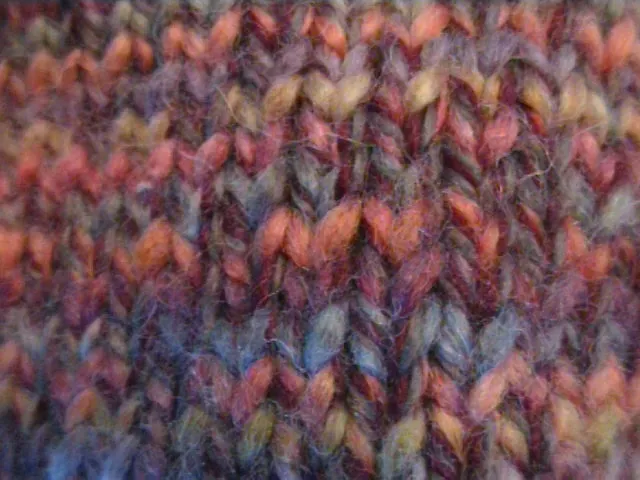
Photo: Brian Sawyer from Westford, MA, USA, CC BY-SA 2.0, via Wikimedia Commons
With the clocks changed and the evenings drawing in, November 2026 is peak sock weather. It is also peak sock-opinion weather. Ask three knitters how they knit a small circumference and you will get three answers, usually delivered with the certainty of someone who has already cast on. Here at Knitters & Stitchers we are not here to declare a winner. We are here to lay out the evidence, have a brew and let you decide.
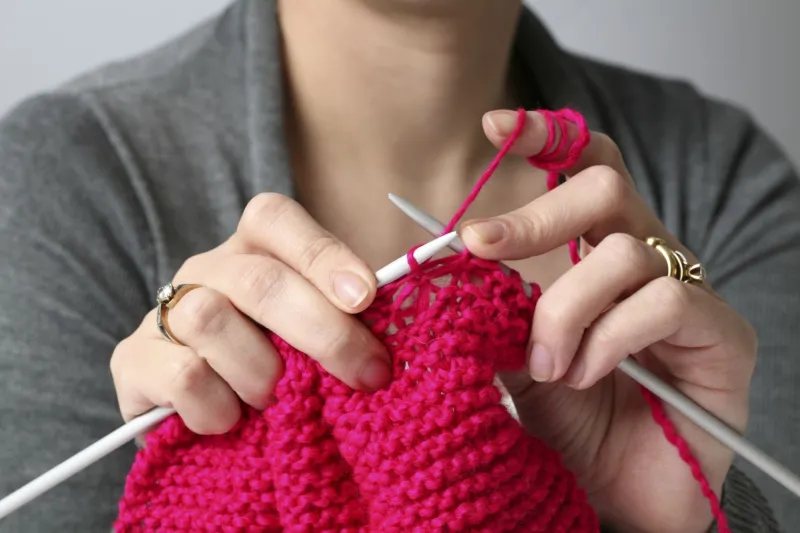
For this gentle showdown I knitted the same simple cuff-down sock three times: a 64-stitch cuff, 2x2 rib, a straightforward heel flap and gusset, and a wedge toe. Same dependable 4-ply, same 2.25mm needles, same slightly over-optimistic hope that I would not have to tink. The only variable was the method. It was not a scientific trial, but it was a fair one.
The contenders, briefly
First, double-pointed needles: the click-clack classic. Four or five needles, stitches divided between them, and a little tent of metal or wood in your hands. Second, magic loop: one long circular needle, usually 80cm or longer, with the cable pulled out at the sides so the stitches sit on two needle tips. Third, the very long circular used as a travelling loop: one cable long enough that you slide the stitches around rather than wrestling a short circular. It is magic loop's laid-back cousin, but it does not feel identical in the hand.
All three can produce a perfectly good sock. All three can also produce a small, personal crisis at the gusset. The difference is in how much fiddling you are willing to tolerate.
DPNs: the rhythm section
DPNs have a reputation for being either wonderfully traditional or faintly terrifying, depending on who you ask. In practice, they are a rhythm method. Once the stitches are divided and you are going round, the needles click along like a metronome. There is no cable to manage, no loop to pull and no sudden feeling that you are wrestling a washing line. For many knitters, that makes DPNs the fastest method once the initial fear wears off.
Comfort is mixed. I like the even distribution of weight, and I like that I can see exactly where each needle begins and ends. But there is no denying the loose-needle issue. Put your work down on a train table and you are one gentle jolt away from a stitch rescue mission. On a busy commuter service to Leeds, I would rather not be the person crawling under the seat for a 2.25mm needle.
DPNs also have their own laddering risk at the joins between needles. If the first stitch of each needle is loose, you get little ladders running down the sock like tracks. The fix is simple but requires discipline: give the first two stitches a firm tug, keep the tension snug, and occasionally shift the stitches around the needles so the joins do not sit in the same place every round.
Magic loop: one cable, endless confidence
Magic loop is the method that looks like it should be complicated and then, after one YouTube tutorial, suddenly is not. You cast on, divide the stitches, pull a loop of cable out at each side and knit across the two halves. The long circular does all the work. There are no loose needles to lose and no need to juggle four tips. For anyone who has ever knitted a sleeve on a short circular and felt the stitches strain, magic loop feels like a small liberation.
On the sock test, magic loop was comfortably the most portable. One needle, one project bag, no loose parts. It was also kind to my hands because the cable takes some of the weight. The trade-off is cable management. You do need to pull the loop through, keep the sides tidy and resist the urge to let the cable twist itself into a granny knot. Speed was good, but not quite DPN-fast for me. The rhythm is different: less click-clack, more slide-and-settle.
Laddering in magic loop tends to happen at the two loop turns. The usual culprits are a loose first stitch after the turn and a cable that pulls the stitches apart. Snugging up the first stitch, giving the second one a tug and keeping the loop turns in slightly different places can sort most of it. It is not magic, despite the name, but it is close enough on a dark evening.
The very long circular: the travelling loop
The third option is the one that often gets folded into the magic loop conversation, but it deserves its own moment. A very long circular used as a travelling loop lets you slide the stitches around the cable as you work, so you are never fighting a short circumference. It is brilliant for commuters because it is one piece of kit and very little drama. It also works well for sleeves, sock toes and any project where you want to keep everything on one needle.
The catch is that the cable becomes part of the knitting. If it is too stiff or too long for the stitch count, you spend half your time feeding stitches around and the other half persuading the cable not to kink. On the sock, I found it slightly slower than magic loop at the cuff but very pleasant at the foot, where the stitch count grows and the cable has more room to behave. Ladderinga at the transition points was similar to magic loop: manageable with a firm first stitch and a bit of attention.
For portability, it is hard to beat. For comfort, it depends on the cable. A soft, supple cable makes the method feel effortless; a stiff one makes you wonder why you did not just use DPNs and accept the risk of losing one down the sofa.
The laddering question
Laddering is the great leveller. Every small-circumference method can produce it, and every method has a fix. The cause is nearly always the same: a change in tension where one needle, loop or cable section meets the next. DPNs have joins, magic loop has loop turns, and the travelling loop has transition points. The answer is not to knit tighter overall, which only makes your hands ache. The answer is to be deliberately snug at the changeover, then relax.
If ladders are a recurring problem, try shifting the stitches around every few rounds so the join is not always in the same column. You can also knit the first stitch of the new section through the back loop, or use a slightly smaller needle for the join. And if all else fails, a quick block at the end hides a multitude of sins. We are knitters, not machines.
The honest scorecard
DPNs win on rhythm and, for many, speed. They lose on portability and loose-needle anxiety. Magic loop wins on one-needle convenience and even tension. It loses on cable faff and the occasional loop-turn ladder. The very long circular wins on travel-friendliness and simplicity of kit. It loses on cable behaviour and can feel slower if the cable is not playing nicely.
For a beginner, I would still suggest trying magic loop first if the idea of four needles makes them nervous. For a knitter who already loves DPNs, there is no reason to change unless they want a more portable project. For anyone who knits on trains, buses or in the school car park, the one-circular methods are a quiet joy.
Over to you
There is no single correct way to knit a sock. There is only the way that makes you want to knit the second one. If you are a devoted DPN user, we want to hear from you. If magic loop changed your knitting life, tell us why. If you are a travelling-loop convert with a favourite cable length, share the details. The comments are open, the kettle is on, and the sock drawer is always one pair short.
What is your loyalty? And more importantly, have you ever lost a DPN on public transport and lived to tell the tale?