Five Native Fleeces, Five Honest Swatches: A British Wool Field Test
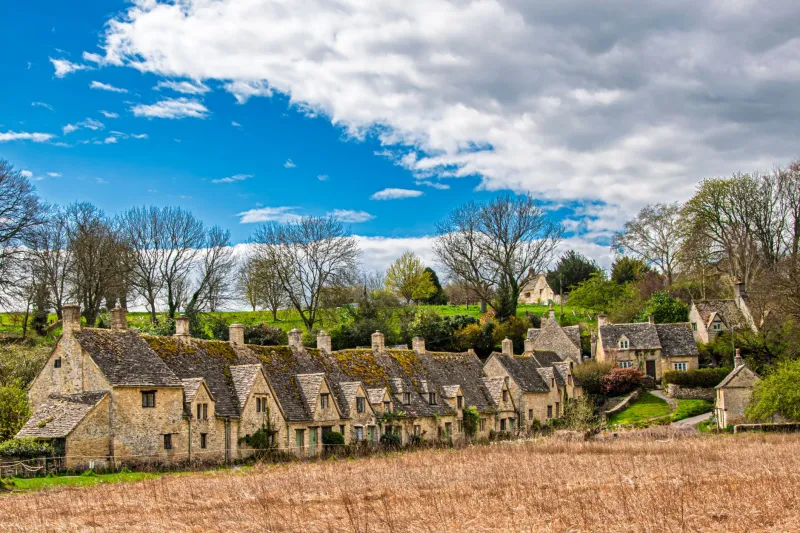
Photo: Bubitron2, CC BY-SA 4.0, via Wikimedia Commons
There is a particular kind of afternoon that only happens in a British winter: the rain is going sideways, the kettle has just gone on, and you've got five little squares of knitting drying flat on a towel. That was my Saturday. Five breeds, five swatches, one entirely unscientific but very enjoyable experiment.
We talk a lot about British wool in the abstract — heritage, hill flocks, the price of fleece at auction. What we talk about less is what it does. How it behaves on the needles, how it wears, whether it will hold a cable or flop into a lovely soft puddle. So I set out to answer that in the most hands-on way I could think of.
How the test worked
Every swatch was knitted on 4mm needles over 30 stitches and 40 rows, then washed in cool water with a drop of wool wash and blocked flat. I also knitted a second, looser version of each on 5mm to see how the fabric changed. Then each swatch went into a coat pocket for a week of real life: bus rides, a supermarket trip, a session of tugging a reluctant dog away from a hedge. Highly rigorous. Peer reviewed by a cat.
A caveat before we begin: yarn from the same breed varies hugely between mills and spinners. Woollen-spun Shetland is a different animal from worsted-spun Shetland. Treat the notes below as a starting point, not a verdict.
Bluefaced Leicester: the reliable friend
BFL is the one most of us have already knitted without knowing it. Soft, with a gentle lustre and a lovely roundness to the yarn, it makes stitches look neat and even without any effort on your part.
On the needles: Smooth and quick. Cables pop beautifully; lace opens nicely after blocking. The fabric has decent drape but enough body that a jumper doesn't turn into a sack.
Wear: Good, though it will pill in high-friction areas after a few months. A quick shave with a fabric comb sorts it. It softens further with washing, which is a gift.
Best for: Everyday garments, cables, colourwork where you want clarity, anything destined to be worn against the neck.
Where to find it: West Yorkshire Spinners makes a well-priced BFL range that's in most decent yarn shops, and Blacker Yarns in Cornwall blends and spins breed-specific yarns worth seeking out. Many indie dyers also work on BFL bases, so there's no shortage of colour.
Try this: A pair of cabled fingerless mitts. Small enough to finish in a weekend, cabled enough to show off that stitch definition, and useful enough that you'll actually wear them.
Shetland: lighter than it looks
This was the swatch that surprised me most. Woollen-spun Shetland feels almost insubstantial in the hand, then blooms into a fabric with real warmth and a soft halo.
On the needles: Slightly grippy, which is exactly what you want for colourwork. It's forgiving of imperfect tension because the halo blurs the joins. Gauge changes noticeably after washing — swatch and block, always.
Wear: Warm for its weight, and surprisingly hardwearing thanks to those long-ish fibres. It's the reason haps and Fair Isle knits survive for decades.
Best for: Fair Isle yokes, shawls, haps, anything where you want warmth without bulk.
Where to find it: Jamieson & Smith in Lerwick is the classic source, and their 2-ply is a joy. It's available by post and stocked in a good number of UK shops.
Try this: A Fair Isle cowl in three or four shades. Small enough to be a genuine experiment rather than a commitment, and you'll learn a lot about how you hold colours.
Herdwick: not for the faint-hearted
Herdwick is the one that gets the postcards. Grey, sturdy, faintly rustic and absolutely not interested in being soft. My swatch felt like it could have been used to sand a windowsill.
On the needles: Firm and slightly wiry, with visible kemp fibres. Stitch definition is excellent — this is not a yarn that loses its shape. It barely moved after blocking.
Wear: Essentially indestructible. It's naturally water-resistant and has a proper outerwear quality to it. Not next-to-skin for most people, though slippers and mittens are another matter.
Best for: Bags, baskets, felted slippers, boot cuffs, tea cosies, garden clogs, anything that lives a hard life.
Where to find it: The Wool Clip in Caldbeck, Cumbria, is a co-operative of local producers and a lovely place to buy from. Several small Lakeland spinners also sell Herdwick yarn online.
Try this: Felted slippers. Knit oversized, bung them in the wash, and let the fibre do what it's brilliant at. A true Herdwick project.
Wensleydale Longwool: the show-off
Long, lustrous and almost silky, Wensleydale is the fleece that looks expensive even before you've knitted it. It's a different creature entirely from the hill breeds.
On the needles: Slick and fast. The stitch definition is crisp and slightly shiny, and the fabric has real drape — it swings. It has less elasticity than the others, so ribbing sags and seams need care.
Wear: Strong and hardwearing, though the weight means a garment can feel heavier than expected. It resists felting, which makes it a poor choice for slippers and a great one for anything meant to be washed often.
Best for: Drapey wraps, lace, scarves, structured outerwear, anything where you want a bit of glamour.
Where to find it: The Wensleydale Longwool Sheepshop in Leyburn, North Yorkshire, is the obvious first stop and sells online.
Try this: A simple lace wrap on 5mm needles. The yarn does most of the work — keep the pattern plain and let that lustre carry it.
Jacob: the one with character
Jacob fleece comes in two tones, often blended into a tweedy grey or kept separate, and my swatch had a bouncy, springy quality I liked immediately.
On the needles: Medium and slightly toothy, with good grip. Stitch definition is strong, and the fabric has a pleasing density without being heavy.
Wear: Softens considerably after a wash and a few weeks of wear. It's a good everyday wool — not as soft as BFL but far from harsh.
Best for: Hats, mittens, colourwork where you want natural shades, tweedy textured stitches.
Where to find it: Blacker Yarns and a number of small UK breed specialists spin Jacob; it also turns up regularly at wool fairs and farm shops.
Try this: A two-colour hat in natural light and dark. No dyeing, no decisions — the sheep did the colourwork planning for you.
What the test actually taught me
A breed is a job description, not a quality ranking. Herdwick isn't worse than Bluefaced Leicester; it's simply applying for a different post. Once you've felt the difference in your own hands, buying yarn stops being about colour and softness and starts being about what you want the finished thing to do.
So: pick a breed you've never knitted, buy one 50g ball, and make a swatch. Then leave it in a coat pocket for a week. That's the whole test, and it's a very good way to spend a rainy Saturday.