The Craft Should Bend Before You Do: A Kinder Way to Knit With Aching Hands
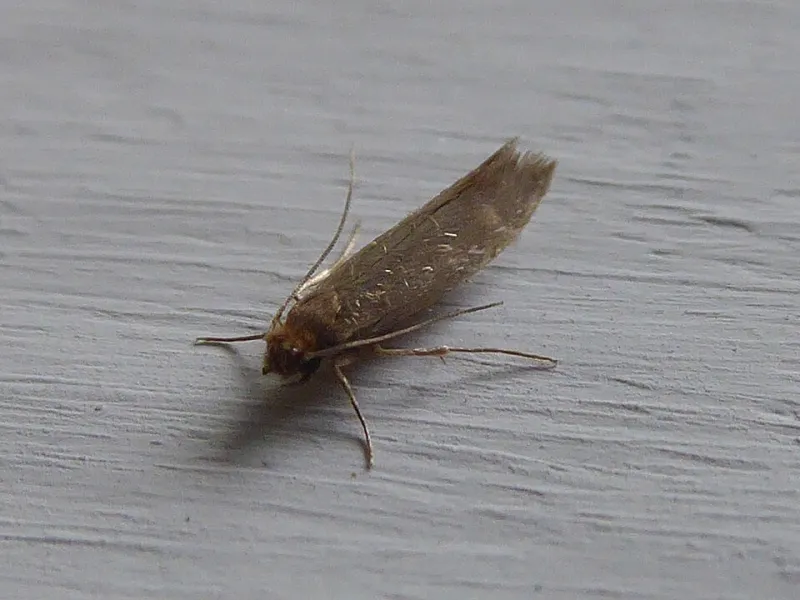
Photo: Shixart1985, CC BY 2.0, via Wikimedia Commons
Knitting has a reputation for being gentle. Tell that to a pair of hands that ache after ten rows, or a wrist that starts complaining halfway through a sock heel. Arthritis, repetitive strain injury and the simple misery of cold hands can all turn a beloved hobby into a negotiation. The good news is that the negotiation is usually winnable. Not by gritting your teeth and pushing through, but by asking the craft to bend a little towards you.
That might mean a different needle, a different grip, a shorter session or a project that asks less of your hands on the days they are not playing ball. None of it makes you less of a knitter. It makes you a knitter who plans to keep going.
Start with the tools, not the guilt
When hands are sore, the first instinct is often to try harder with the same equipment. Try the opposite. A tool that fits your hand can buy you more comfort than any amount of determination.
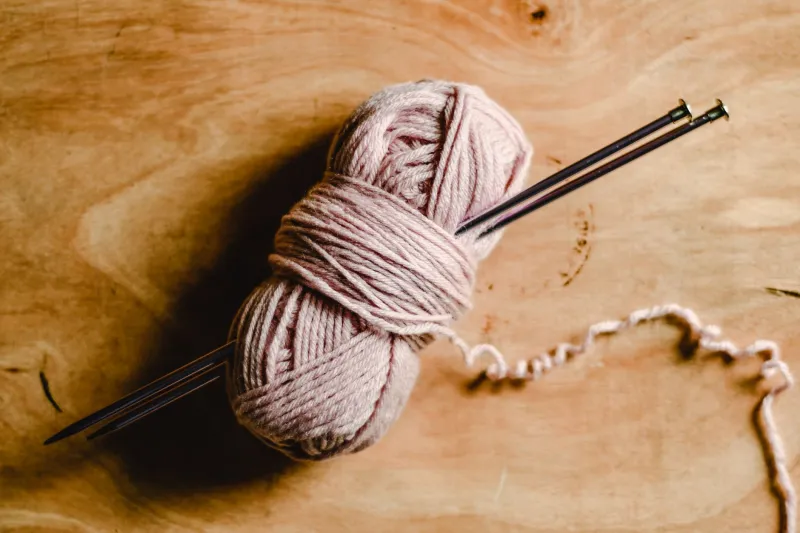
Circular needles are not just for socks and shawls. Even for flat knitting, a long cable lets the weight of the work rest on your lap rather than hanging from the needles. Interchangeable sets are useful because you can swap tips without wrestling with a whole new needle. Wood and carbon fibre feel warmer than metal, which matters in a British winter, and square needles suit some knitters who find a round shaft slippery or hard to grip. Larger-diameter needles are easier to hold, and slip-on foam grips or pencil grips can make a skinny needle much friendlier.
Crocheters have it slightly easier on the ergonomic front, but it is still worth shopping around. Hooks with a deeper thumb rest, a fatter handle or a soft grip can make a real difference. The classic advice is to try before you buy, and your local yarn shop may be happy to let you hold a few hooks or needles over the counter. If not, buy one tool rather than a whole set and give it a proper trial at home.
Little adjustments, real relief
Sometimes the biggest change is not the tool but the technique. Lever knitting, where one needle is anchored under the arm or in a knitting belt, lets the right hand do less travelling. Portuguese knitting uses a pin or a loop around the neck to tension the yarn, which can suit hands that struggle with holding tension. Continental knitting is not automatically kinder, but for some people it means fewer small movements with the dominant hand.
Look at your setup, too. Rest your forearms on a cushion or the table. Bring the work closer to you rather than hunching towards it. A lap board or a firm cushion can raise the project and take strain off the shoulders. Use stitch markers generously, keep a row counter nearby and avoid fiddly patterns on days when your hands are already tired. Chunky yarn and larger needles are not a cop-out; they are a sensible way to get the same pleasure with less fine motor work.
And pace yourself. A timer can be surprisingly liberating: fifteen or twenty minutes of stitching, then a proper break. Not a break where you scroll on your phone with your hands in the same position, but a break where you stand up, make a cup of tea and let your hands relax.
Warm hands, steadier stitches
Cold weather is its own special challenge. Metal needles can feel like ice first thing in the morning, and stiff hands do not loosen up easily in a chilly room. Keep a pair of fingerless mitts in your project bag. Warm your hands in a bowl of comfortably warm water before you start. A wheat bag or a hot-water bottle on the lap can help, as can simply knitting in the warmest room in the house rather than the draughtiest corner.
Gentle warm-ups are worth trying: slow hand circles, soft finger curls, a few minutes of easy movement before you pick up the needles. Avoid aggressive stretching, especially if you have arthritis or a diagnosed joint condition. If your fingers go white and numb in the cold, mention it to your GP, because that can be a sign of something that deserves proper advice.
Pack a bad-hand-day project
It helps enormously to have a project that is already set up for the days when your hands say no. Think simple garter stitch, a chunky scarf, a pair of plain socks in a thick yarn, or a crochet blanket square that needs no counting. Keep the yarn wound, the pattern printed and the row marker in place. The aim is to remove every small obstacle between you and a few minutes of soothing stitching.
A second, more demanding project can live in the cupboard for good days. That way you are not trying to force a lace chart when your hands are swollen, and you are not denying yourself the fun of a challenge when they are not. Write yourself a note about where you stopped. Future you will be grateful.
The honest bit: rest is part of the pattern
There is no medal for knitting through pain. If stitching causes sharp pain, swelling, numbness, tingling or a loss of strength, stop and seek advice. That might mean your GP, a physiotherapist or an occupational therapist. Versus Arthritis and Arthritis Action both offer UK-based information and support, and an occupational therapist can suggest practical adaptations for daily life, including hobbies.
RSI and arthritis are not problems to be solved by willpower. Short, frequent sessions are often kinder than a weekend marathon. If a pattern is making you miserable, put it down. The yarn will wait. The craft is supposed to add something to your life, not take something away from it.
Where to find help in the UK
Start with your local yarn shop or stitching group. Many are happy to order in adapted tools, and some will let you try a needle or hook before you commit. Hobbycraft and John Lewis stock a range of ergonomic hooks and needles, while independent shops often carry the smaller brands that are harder to find online. Charity shops and second-hand sales can be good for budget tools, though it is worth checking that grips and cables are in decent condition.
For custom adaptations, Remap volunteers sometimes make bespoke aids for crafters, and independent living shops sell foam tubing and grip aids that can be repurposed for needles. Libraries, U3A groups and WI branches are also good places to ask about accessible craft sessions. You do not have to figure this out alone.
A softer finish
The phrase “use it or lose it” gets thrown around a lot, but it is not a command to ignore pain. Gentle, regular movement within your comfort zone is one thing; forcing a swollen wrist through another row is another. The knitters who last are not the ones with the strongest hands. They are the ones who learn when to adapt, when to stop and when to come back tomorrow.
So put the kettle on, choose the warmer needles, set the timer for twenty minutes and let the row be enough. Your hands are part of the craft, and they deserve the same care as the wool.