Where the Kettle's Always On: Eight Local Stitching Groups Keeping Britain Crafting
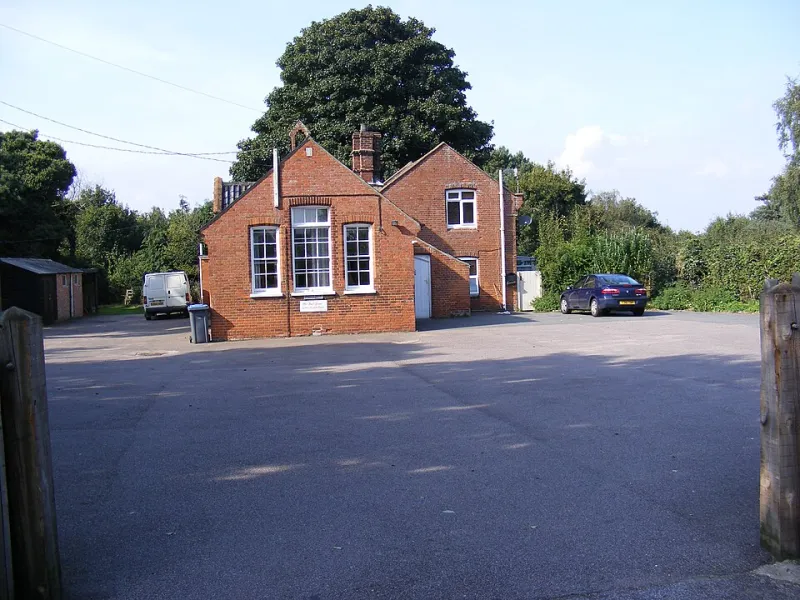
Photo: Adrian Cable, CC BY-SA 2.0, via Wikimedia Commons
There is a particular smell to a village hall. Floor polish, slightly damp coats, a urn that has seen things, and the faint biscuit-and-wool fug of a group that has been meeting for years. It is not glamorous. It is not Instagram-friendly. It is, however, one of the most important places in British textile life.
Small stitching groups run charity projects, teach beginners, rescue dropped stitches and keep local craft traditions from slipping away. They also provide something harder to name: a room where you can be a beginner without apologising for it. Here are eight groups doing big things from small rooms. If you are travelling, check the hall noticeboard or library before you go. Most groups welcome a visitor with a mug and a chair.
1. The Pennine Patchworkers, Hebden Bridge
This West Yorkshire group meets in a church hall with a leaking radiator and an excellent cake rota. Its signature project is a yearly quilt raffle for a local hospice, with members contributing twelve-inch blocks in colours chosen by the group. What makes it distinctive is the way it folds beginners in: every new quilter is given a fabric square and a partner for the first session, so nobody sits alone pretending to understand quarter-inch seams. Join by turning up on the first Saturday of the month with a mug and a £3 contribution. Bring a six-inch square if you have one. If not, someone will find you one.
2. Harbour Stitchers, Whitby
Up on the Yorkshire coast, this drop-in group is quietly obsessed with ganseys, the patterned fisherman sweaters associated with fishing communities. Members knit hats and scarves for a winter warmth project, but the heart of the group is its study of traditional stitch patterns. Older members bring family photographs and half-remembered motifs; newer knitters bring graph paper and curiosity. It meets on Tuesday afternoons in the back room of a community centre. Newcomers can simply turn up, though a donation towards the room and the tea is expected. Bring your own needles if you have them.
3. The Lacemakers of Bedford, Bedfordshire
Bedfordshire has a long lacemaking history, and this small group is determined that it will not become a museum piece. Members work on bobbin lace, needlelace and the occasional modern textile piece, and they run beginner mornings twice a year with loaned pillows and bobbins. What makes the group distinctive is its patience: no one is rushed, and mistakes are treated as part of the pattern. It meets on Wednesday evenings in a village hall just outside town. Email the address on the hall website or pop in on a beginner morning to try a sample. The first session is free.
4. Brixton Stitch & Bitch, London
This South London group is less a traditional guild and more a weekly anchor for people who need to sit down and make something with their hands. Members knit, crochet, mend and embroider, and the group runs a visible mending table at local fairs. What makes it distinctive is its mix: retirees, night-shift nurses, students and parents who bring small children and a bag of biscuits. It meets on Sunday afternoons in a community room above a library. There is no membership fee; a £2 donation covers tea. Just turn up with a project, or with nothing at all.
5. The Govan Warmers, Glasgow
This Glasgow group knits for people sleeping rough and for local refuges, producing hats, scarves, gloves and hot water bottle covers. What makes it distinctive is its men's knitting table, which started as a joke and became one of the group's most loyal sections. Members teach each other, and experienced knitters will happily cast on for a complete beginner who has never held needles. It meets on Thursday evenings in a community hall. Newcomers can drop in; bring a pair of 4mm needles if you have them, and the group will supply the wool for charity projects.
6. Tywi Valley Wool Circle, Llandeilo
The Tywi Valley group is a fleece-to-finished sort of outfit. Members spin, dye, knit and weave, and they run an annual wool weekend that connects local farmers with crafters. What makes it distinctive is its bilingual welcome and its stubborn commitment to using Welsh fleece, even when the processing takes months. It meets on the first Saturday of the month in a village hall with a very good wood-burning stove. Newcomers are welcome to visit; bring a spindle if you have one, or simply come to watch and ask questions.
7. The Belfast Linen Stitchers, Belfast
Belfast's linen heritage is the starting point for this embroidery group, which works on traditional whitework, linen samplers and modern memory quilts. Members have recently been teaching beginners to embroider names and dates onto family linens that might otherwise be thrown away. What makes the group distinctive is its focus on repair as a form of remembrance. It meets on Wednesday afternoons in a church hall. Newcomers can join by bringing a hoop and a piece of fabric; the group provides threads for a first small sampler.
8. Fenland Sewing Circle, Ely, Cambridgeshire
This practical group meets on Friday mornings to mend, alter and make. Members repair school uniforms, sew cushion covers for a local hospice and teach basic machine skills to anyone who has been terrified of a sewing machine since school. What makes it distinctive is its no-judgement rule: bring the thing you have been meaning to fix for three years, and someone will help you start. It meets in a village hall with a slightly temperamental kettle. Turn up with your broken item and a £2 coin for the tea fund.
Why the village hall still matters
These groups are not glossy. They do not have matching branding or a waiting list curated by Instagram. They have plastic chairs, a raffle, a box of donated wool and a rota for biscuits. That is exactly why they matter. The village hall is where craft becomes ordinary again: not a performance, not a side hustle, just a room full of people making things together because it helps, because it is useful, because it is fun.
If you have been looking for a local group, start with the noticeboard by the loo in your nearest hall. Check the library. Ask in the yarn shop. The kettle is probably already on.